
Blocked Drains: Causes, Warning Signs and Fixes
A blocked drain is usually caused by a build-up of grease, hair, food waste, wet wipes or toilet paper, or by tree roots, collapsed pipes and ground movement. The main warning signs are slow-draining water, gurgling sounds, bad smells and water backing up in sinks, toilets or outside gullies. Minor blockages can often be cleared with a plunger or drain rods. Repeated blockages, multiple blocked fixtures or sewage smells usually need a professional CCTV drain survey and repair.
A blocked drain is one of those household problems that starts small and quickly becomes messy, smelly and expensive. The good news is that most blockages are preventable, and many are easy to fix if you act early. This guide explains what causes drain blockages, how to spot the warning signs, what you can safely try yourself, and when it is time to call in the experts.
A blocked drain happens when something restricts or completely stops the flow of wastewater through the pipes that carry it away from your home. This can occur inside the property, for example in a sink, bath or toilet waste pipe, or underground in the main drain that connects to the public sewer.
Blockages range from a partial restriction, where water drains slowly, to a total blockage, where water cannot escape at all and begins to back up.
Cooking fat looks harmless when liquid, but it cools and solidifies inside pipes. Over time it sticks to the pipe walls and traps other debris, creating stubborn blockages. In sewers, these build-ups are often called fatbergs.
Bathroom drains collect hair, which tangles with soap residue and forms a thick clog. This is the most common cause of slow-draining showers and baths.
Even wipes labelled “flushable” often fail to break down properly. They gather in bends and joints and are a leading cause of toilet and drain blockages across the UK.
Rice, pasta, coffee grounds, eggshells and vegetable peelings can accumulate in kitchen pipes, especially when combined with grease.
Using large amounts of paper at once can overwhelm your waste pipe, particularly in older or narrow drains.
Roots seek out moisture and can enter drains through tiny cracks or loose joints. Once inside, they grow and form dense mats that catch debris and block the flow.
Outside gullies and surface water drains are easily blocked by leaves, soil, moss and litter, especially in autumn and after heavy rain.
Older clay pipes can crack, shift or collapse with age. Ground movement, nearby construction or heavy vehicles can also damage drains, causing partial or complete blockages.
In hard water areas such as London, limescale gradually narrows pipes and traps other waste.
Toys, cotton buds, nappies, razors and other items that should never be flushed or washed down drains are a common cause, particularly in family homes.
Catching a blockage early saves time and money. Look out for these signs:
Tip: If only one sink is slow, the blockage is probably local. If several fixtures are affected or the problem keeps returning, the issue is likely further along the drain.
If you suspect a blocked drain, stay calm and act in this order:
For a grease-related blockage in a metal sink pipe, pour hot (not boiling) water followed by washing-up liquid and flush again. Avoid boiling water on plastic pipes or toilets, as it can damage joints or porcelain.
A plunger creates pressure that can dislodge a blockage in a sink, bath or toilet. Make sure there is enough water to cover the rubber cup, seal it over the plughole and plunge firmly several times.
A flexible drain snake can reach and break up hair and debris in sink and shower drains.
This can help freshen drains and loosen mild build-up, although it is not strong enough for serious blockages.
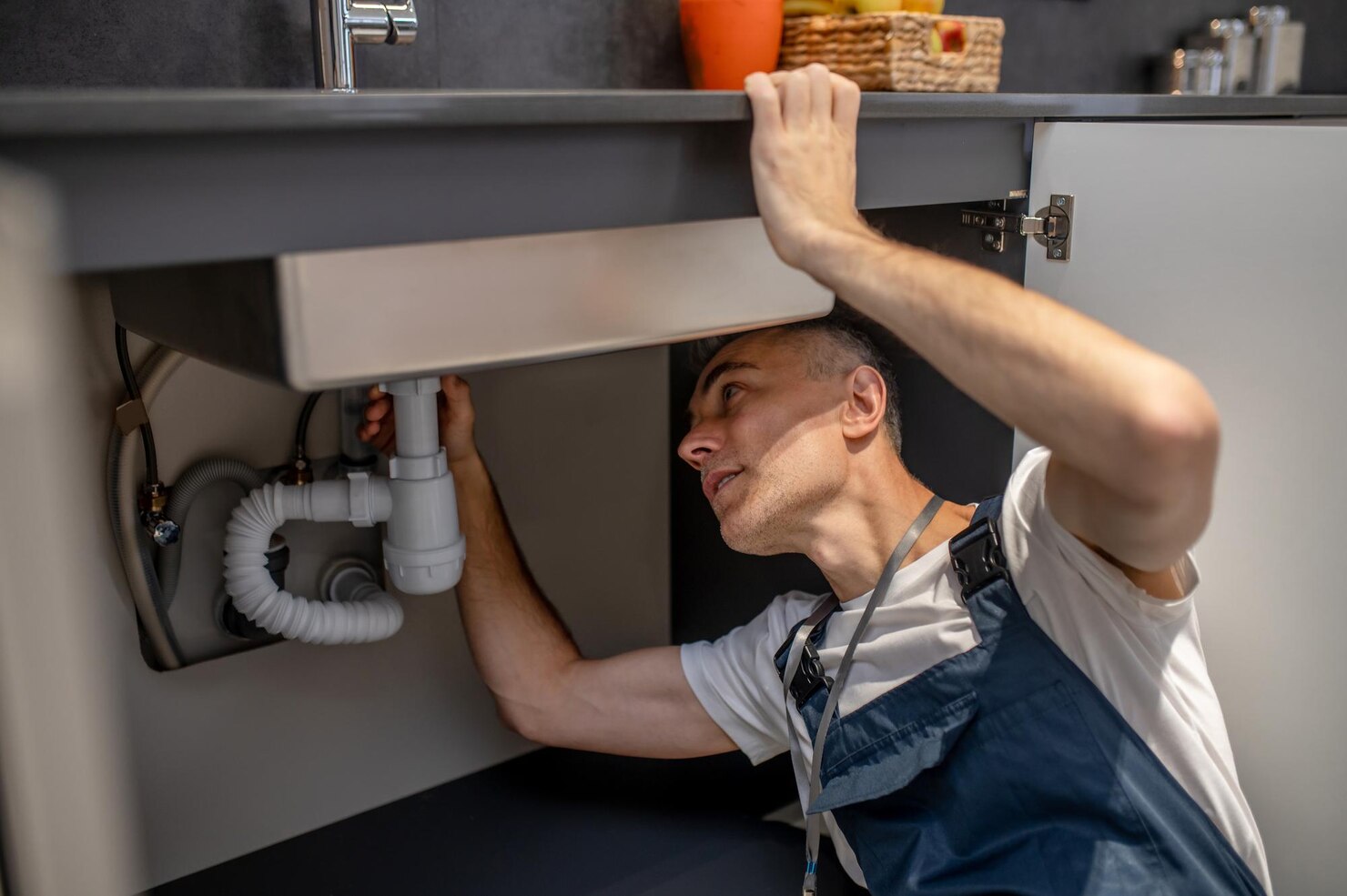
Remove and clean the U-bend or trap under the sink, where debris often collects. Place a bucket underneath first.
Remove leaves and sludge from gully grids and flush with water.
Avoid harsh chemical drain cleaners. Strong caustic products can damage pipes, harm the environment, and are risky if they splash on skin. They may also make it unsafe for a professional to work on the drain afterwards.
DIY methods only work for minor, local blockages. Call a specialist if:
Persistent drain problems are rarely random. They often point to damage, poor falls or root intrusion that needs proper investigation.
A small camera is fed through the pipe to find the exact location and cause of the blockage. It shows cracks, root ingress, displaced joints and collapsed sections, so repairs are accurate rather than guesswork.
Powerful jets of water remove grease, scale, silt and roots, restoring the pipe’s capacity without digging.
Drain rods and cutting heads can break through stubborn blockages or slice through roots.
For cracked or damaged pipes, a resin-impregnated liner can be installed inside the existing drain, creating a new pipe within the old one with minimal excavation.
Where a pipe has collapsed or sections have shifted, the damaged length may need to be dug up and replaced. Groundworks contractors in London often carry out this type of excavation and reinstatement.
Responsibility depends on where the blockage is.
If you are unsure, check with your water provider before arranging repairs, as costs may depend on who owns the pipe. Some home insurance policies and drainage cover plans also include blocked drains.
Ignoring a blocked or damaged drain can cause problems well beyond a smelly sink:
Basement properties are especially vulnerable because they sit below drain level, and many owners ask basement specialists in London to check drainage and pumped systems as part of regular maintenance.
Prevention is far cheaper than repair. Follow these habits:
Look for a firm that offers CCTV surveys, jetting, lining and full repairs, gives clear written quotes, and explains the cause rather than just clearing the symptom. Local drainage contractors in London and residential drainage contractors in London understand the area’s old clay pipes, tight access and water company rules. If you want a professional to investigate a recurring blockage or damaged drain, WJB Groundworks can survey your system and recommend the most suitable repair.
Grease, hair, food waste and wet wipes are the most common causes, with tree roots and damaged pipes behind many recurring blockages.
Typical signs include slow draining, gurgling noises, bad smells, and water backing up in sinks, toilets or gullies.
Yes, for minor local blockages. A plunger, drain snake or cleaning the trap often works. For repeated or widespread blockages, call a professional.
They can damage pipes, harm the environment and cause skin burns. A plunger, snake or professional jetting is usually a safer and more effective choice.
Prices vary depending on the location, severity and method needed. Simple blockages cost far less than repairs involving excavation or lining, so early action saves money. A professional will provide a quote after assessing the problem.
It shows the inside of the pipe, revealing blockages, cracks, root growth, collapsed sections and misaligned joints.
Yes. Leaking or damaged drains can wash away soil beneath a building, which may contribute to subsidence.
You are usually responsible for drains serving only your property, while shared drains and public sewers are generally the water company’s responsibility. Check with your provider if unsure.
A blocked drain rarely fixes itself, and ignoring the early signs can lead to flooding, damp and costly structural problems. Watch for slow drainage, gurgling and smells, try simple fixes for minor clogs, and call a specialist when the problem persists. Good habits, regular maintenance and a proper drain survey when something seems wrong will keep your home dry, safe and trouble-free.
Consult with our specialists and book an on-site inspection at your convenience. Contact us at 01784740573, or email us at info@wjbgroundworks.com for a bespoke quote. Visit our portfolio and explore the projects we have conducted successfully.