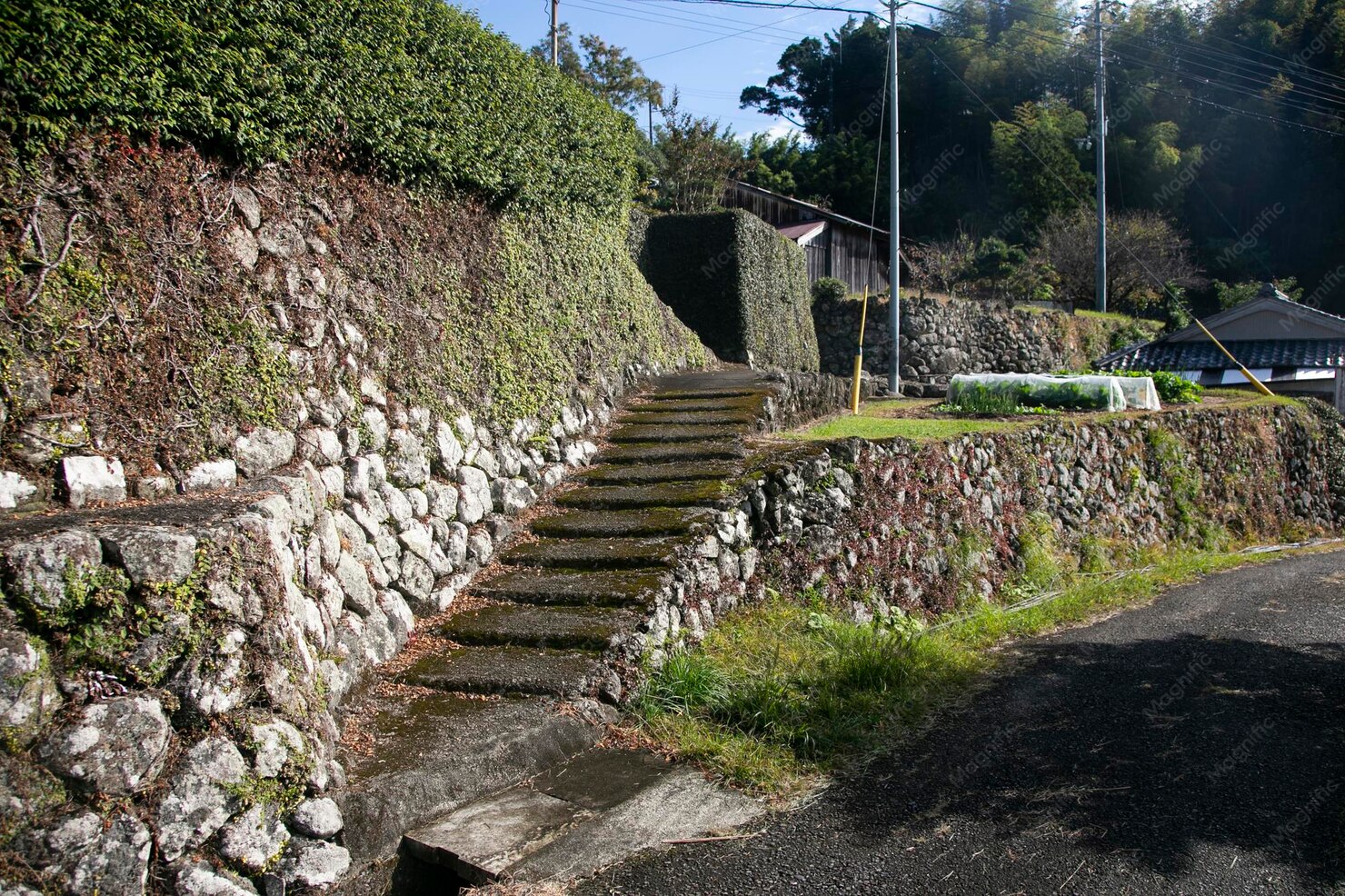
Retaining Walls and Hard Landscaping: Costs, Materials and Planning
A retaining wall holds back soil on sloping or uneven ground, while hard landscaping covers the solid, non-plant parts of an outdoor space such as driveways, patios, paths and paving. The cost of either depends mainly on size, height, materials, ground conditions, drainage and access. Retaining walls over about a metre usually need engineered design, and some hard landscaping, such as large paved front gardens, can need planning consideration. The most reliable way to get an accurate price is a site visit from an experienced contractor.
A retaining wall is a structure built to hold back soil, and to create or protect a change in ground level. You see them on sloping gardens, around basements, beside driveways and along roads. Unlike a normal garden wall, a retaining wall has to resist the constant sideways pressure of the soil and water behind it, so it needs proper foundations, structural design and drainage.
Hard landscaping is the built, non-living part of an outdoor space. It includes driveways, patios, paths, steps, paved areas, kerbs, edging and retaining walls. It sits alongside soft landscaping, which is plants, lawns and planting beds. Good hard landscaping gives a property usable, durable outdoor space and, when planned with groundworks, works with the drainage and levels of the whole site.
A specialist team normally handles the following:
|
|
|
|
|
|
|
|
|
|
|
|
|
|
|
|
|
|
|
|
|
|
|
|
|
|
|
|
|
|
|
|
Many homeowners start by searching for hard landscaping contractors, but the best results come from a team that also understands groundworks. Foundations, levels and drainage decide how long the finished job lasts. You can see how this is delivered on our hard landscaping contractors in London page.
The right choice depends on the wall height, the soil behind it, the look you want and your budget. For taller walls, a structural engineer's design is usually required.
There is no single price per metre that is accurate for every site, and quotes that ignore your ground conditions can be misleading. These are the main factors that change the price:
The best way to get a reliable figure is to ask for a written quotation that lists scope, materials, drainage and exclusions after a site visit.
It depends on the project and your location, so always confirm with your local authority. As a general guide in England:
A good contractor will explain which approvals apply before work starts.
Water is the biggest enemy of a retaining wall. If rainwater builds up behind a wall, the pressure can crack, lean or even collapse it. Likewise, surface water that has nowhere to go can flood a patio or driveway and damage the property. Proper drainage includes free-draining backfill, perforated pipes, weep holes and correct falls on paved surfaces. Our drainage contractors in London design drainage as part of the build rather than as an afterthought.
These services depend on each other. Levels, foundations, drainage and the sub-base all come from groundworks, and the retaining wall and paving sit on top. Using one team for all of it means fewer gaps in responsibility, better programme control and consistent quality. Learn more about our groundworks contractors services.
Before you hire anyone, check these points:
To see the standard of work we deliver, view our Wandsworth groundworks and hard landscaping project.
WJB Groundworks Ltd is a multi-service groundworks and civil engineering contractor based in Cricklewood, London, serving Greater London since 2014. Our team has completed 800+ projects, including groundworks, foundations, basements, drainage, roadworks, retaining walls and hard landscaping for residential and commercial clients. Whether you need a single wall, a new driveway or a complete external works package, WJB Groundworks delivers it with one experienced team.
Planning a retaining wall or landscaping project? Contact WJB Groundworks for a quotation, call +44 1784 740573, or email info@wjbgroundworks.com.
A retaining wall holds back soil and prevents it from moving. It lets you create level areas on sloping ground, protects structures, and manages changes in height between properties or around driveways and basements.
The cost depends on height, length, materials, ground conditions, drainage and access. Because every site is different, the most accurate answer comes from a written quotation after a site visit.
Low garden walls may not need one, but taller walls, or walls that support a road, building or neighbouring land, usually need structural design. Your contractor or local authority can confirm what applies to your project.
Reinforced concrete is usually best for taller or heavily loaded walls, while brick, block or stone suit lower garden walls. The best choice depends on height, soil, appearance and budget.
Hard landscaping uses solid materials such as paving, concrete, stone and walls. Soft landscaping uses living elements such as lawns, plants and trees.
A well-designed wall with proper foundations and drainage can last for decades. Poor drainage and weak foundations are the most common reasons walls fail early.
Often not, but paving a large front garden with a non-porous surface may need permission unless it drains to a permeable area. Check with your local council before you start.
Yes. Companies such as WJB Groundworks combine groundworks, retaining walls, drainage and hard landscaping, which simplifies coordination and keeps responsibility with one team.
Consult with our specialists and book an on-site inspection at your convenience. Contact us at 01784740573, or email us at info@wjbgroundworks.com for a bespoke quote. Visit our portfolio and explore the projects we have conducted successfully.
