
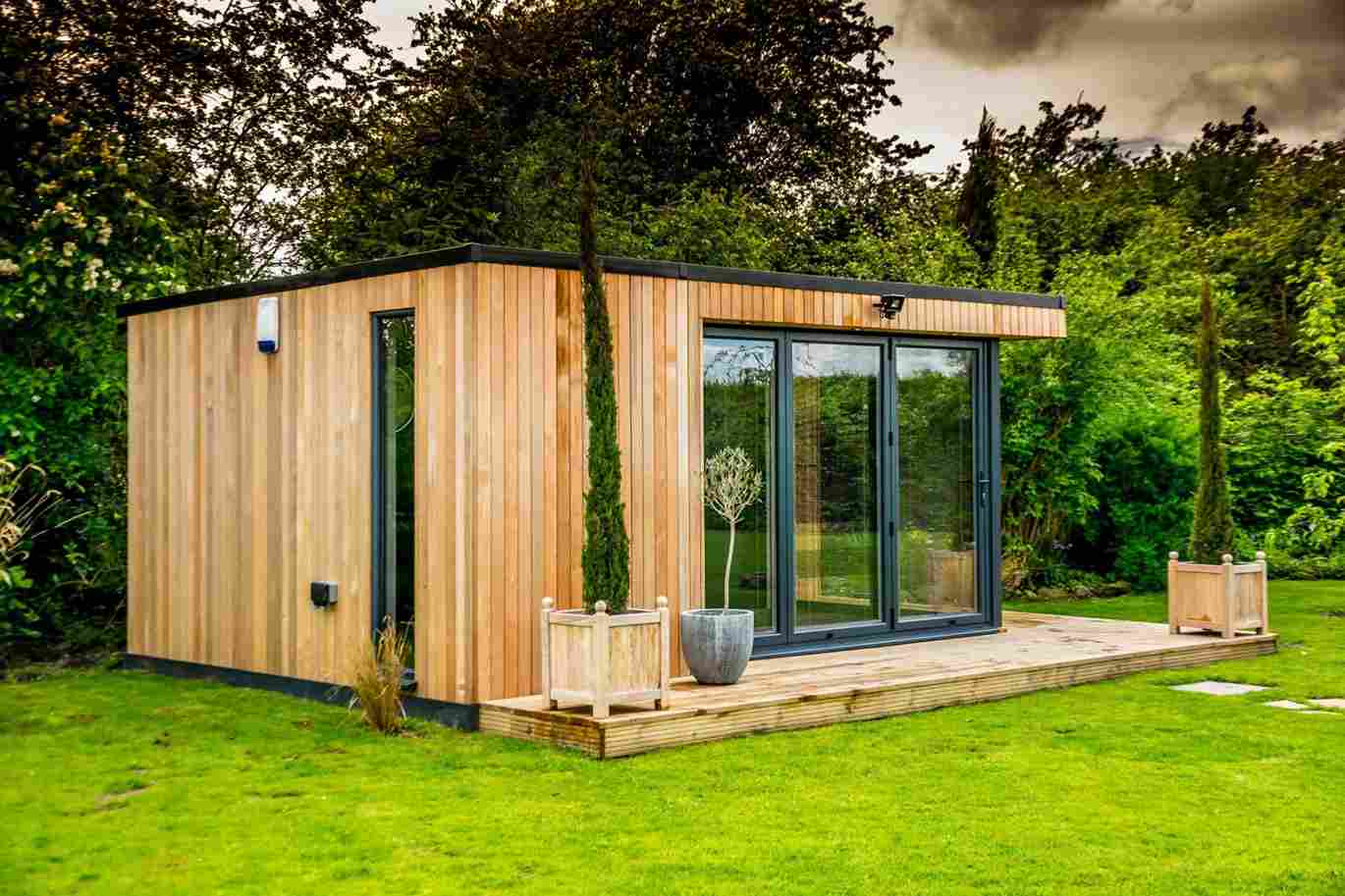
Are you considering adding an underground room to your garden in the UK? Whether you're looking for extra storage, a private retreat, or a unique space for hobbies and relaxation, building an underground room can be a rewarding project. However, it requires careful planning, an understanding of local regulations, and adherence to proper construction techniques to ensure safety and durability. This comprehensive guide will explore everything you need to know about building an underground room in your garden in the UK, from initial planning and legal considerations to construction tips and maintenance advice.
Yes, you can construct an underground room in your garden in the UK, but obtaining Planning Permission and Building Regulations approval is likely necessary, especially if it's meant to be a habitable space. You should contact your local planning authority to check for any specific regulations in your area. Furthermore, consider flood risks, neighbour agreements, and adhere to building codes to ensure safety, structural soundness, and damp proofing.
Building a basement under an existing house is a complex project that needs careful planning and expert knowledge. It’s not just about digging; you also need to understand the type of soil, the condition of the existing foundations, and follow local building laws while carrying out this work. Before starting, it’s important to assess the property to ensure the house stays safe during construction. A well-built basement can provide extra space, alter the way your home is used, and enhance its value.
Whether you need a new living area, storage space, or a home office, the project should be carefully managed from start to finish. Every step — from designing and planning to digging and finishing – should be done by experienced professionals who know how to handle basement construction projects. By focusing on safety, following regulations, and performing high-quality work, you can create a basement that meets your needs and adds value to your home.
Before starting your excavation, review the relevant regulations. In the UK, basement extensions beneath gardens are managed by building codes and regulations, similar to other construction projects. Compliance is crucial in preventing future legal issues. Building a basement requires planning permission, along with considerations for fire safety, ventilation, waterproofing, and structural integrity, depending on the scope of the project. Contact your local authority to check if planning permission is necessary, then apply for Building Regulations approval to ensure your project meets all safety and efficiency standards.:
Building a basement beneath your garden can be a great way to extend your living space and boost your property's value. However, it also involves managing several major challenges. Here is an overview of the main obstacles involved:
Each local authority has its own regulations regarding basement construction, particularly in areas adjacent to gardens. These rules may restrict the depth of excavation or the maximum size of your basement. During planning, you’ll need to be inventive in your design to comply with these restrictions.
If your property is located within a conservation zone, expect additional restrictions aimed at preserving the area's historic or environmental character. This could include safeguarding mature trees and adhering to specific architectural styles.
Before finalising your plans, comprehensive surveys are essential. These assessments examine soil conditions, drainage, and the potential impact of excavation on neighbouring properties' foundations. Such investigations help ensure your basement design is feasible and prevent unforeseen complications.
A crucial aspect of basement construction is creating a structure that is both resilient and fully waterproof. Proper waterproofing prevents water ingress, which could lead to structural damage and costly repairs.
Finding skilled builders with specialised expertise in basement construction is vital. They will execute the project safely and to a high standard. Managing multiple contractors and coordinating various tasks can be complex, so selecting a competent team is crucial.
Overseeing the entire process requires detailed planning and organisation. This includes securing all necessary permits, maintaining communication among stakeholders, and ensuring compliance with Building Regulations. This careful management helps keep the project on track and minimises surprises.
To determine the viability of a property for basement construction, begin with a comprehensive site analysis that includes soil testing, ground stability assessments, and flood risk evaluations to ensure the location is suitable for construction. It is also essential to consult with qualified professionals, such as architects, structural engineers, and surveyors, who can assess the project's technical feasibility, estimated costs, and regulatory compliance. Once these assessments are complete, collaborate with an architect to develop detailed blueprints that align with your needs, preferred layout, functionality, and aesthetic preferences.
To ensure a smooth building process, it's essential to obtain all necessary permits by preparing and submitting detailed plans to your local council for Planning Permission and Building Regulations approval, thereby ensuring compliance with all legal requirements. Additionally, proactively informing your neighbours about your plans—especially if construction may impact their property or access—helps foster good relations and addresses any concerns early on.
The site preparation process involves clearing the construction area of vegetation, debris, and obstructions, followed by levelling the ground to ensure a stable base for construction. Subsequently, excavation is carried out using machinery to dig to the specified depth, creating trenches and space necessary for the basement foundation, all while adhering to safety measures.
To begin, lay the foundation by installing formwork, reinforcing it with rebar, and pouring concrete to ensure a stable and level base. Once the foundation is set, install a high-quality damp-proof membrane over it to minimise moisture ingress and protect the structure from potential damage caused by moisture.
To effectively protect the foundation from water damage, start by applying specialised waterproofing membranes or coatings to the exterior walls, creating a watertight seal. Additionally, installing proper drainage systems such as land drains, interior sump pumps, and perimeter drains is crucial. These solutions work together to channel water away from the basement, ensuring a dry and secure foundation.
To enhance the structural integrity and energy efficiency of the building, the first step involves erecting walls by assembling and securing load-bearing and partition walls using appropriate materials such as concrete blocks, bricks, or steel framing. Following this, insulation is installed within the walls and floors to improve thermal performance, ensuring better energy efficiency and increased comfort for occupants.
Installation of utilities and ventilation involves connecting essential systems, including plumbing for bathrooms and kitchens, electrical wiring for lighting and outlets, and data cabling. Additionally, setting up proper ventilation includes installing ducts, mechanical ventilation systems, or HVAC units to ensure adequate airflow and maintain good air quality.
To effectively develop the basement, start by constructing interior partition walls to create designated rooms such as bedrooms, storage areas, or living spaces. Next, finish the walls and ceiling by applying drywall or plaster, painting, and installing ceiling fixtures. Finally, lay the chosen flooring materials—such as tiles, laminate, or carpet—that are suitable for basement conditions, to complete the interior finishing process.
The process involves installing fixtures, such as electrical switches, outlets, plumbing fixtures (like sinks and toilets), and ventilation covers. Once the installation is complete, the space should be decorated and furnished with paint, wallpaper, furniture, and personal touches to enhance its appearance. Finally, it is essential to schedule inspections with local authorities or building inspectors to ensure that all work complies with relevant regulations, addresses any deficiencies, and obtains official approvals for occupancy.
Constructing an underground room in your garden in the UK is a feasible project that offers numerous benefits, such as additional space and privacy. However, it requires careful planning, adherence to local regulations and building codes, and possibly obtaining necessary permits. Consulting with professionals, such as architects and engineers, can ensure the project is completed safely and successfully. By thoroughly researching and preparing, homeowners can construct an underground room while remaining compliant with legal requirements.
Consult with our specialists and book an on-site inspection at your convenience. Contact us at 01784740573, or email us at info@wjbgroundworks.com for a bespoke quote. Visit our portfolio and explore the projects we have conducted successfully.