
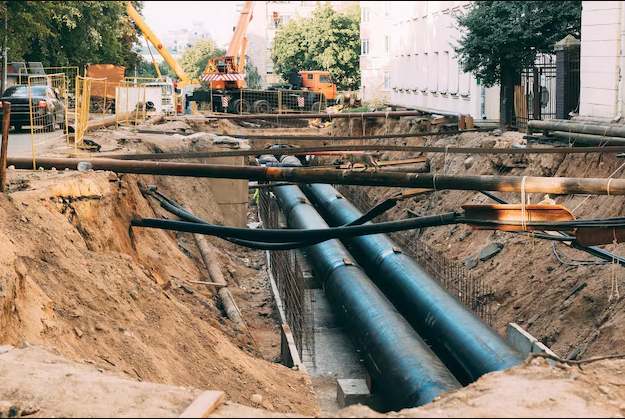
Drainage Contractors in Cricklewood, Brent and Camden: Services, Responsibilities and How to Choose
If you need drainage contractors in Cricklewood, Brent or Camden, the short answer is this: look for a local team that can survey, repair, replace and install both foul and surface water drainage, and that understands how London’s clay soil, older pipework and tight plots affect your project. The right contractor will also tell you who is responsible for each section of pipe, which saves time and money before any work starts.
At WJB Groundworks, we install and repair drainage across North and North-West London, and this guide explains the services available, the problems we see most often and how to choose a reliable contractor.
Professional drainage contractors in London design, install, repair and maintain the pipes and chambers that carry water away from your property. Their work usually covers:
Residential drainage contractors in London often work alongside builders and groundworks teams, because drainage must be planned before foundations, patios and driveways are laid. A good groundworks contractor will coordinate all of this as one programme.
These areas share several features that put extra pressure on drainage:
Understanding these local conditions helps a contractor choose the right pipe materials, falls and layouts from the start.
Many homeowners are unsure who should pay for a blocked or damaged pipe. In Thames Water’s area, which includes Cricklewood, Brent and Camden, the general position is:
Layouts differ from street to street, so check with Thames Water before booking work. Our guide on how to find drainage plans for your house explains how to find out what runs beneath your property.
Blocked drains. Grease, wipes, tree roots and collapsed pipes are the usual causes. Slow draining or gurgling sounds are early warning signs.
Cracked or collapsed pipes. Old clay pipes break under ground movement or heavy loads. A CCTV survey shows the exact location and condition.
Persistent bad smells. These can point to dry traps, damaged vents or leaking joints.
Damp and flooding. Poor surface water drainage can send water toward your walls, basement or neighbouring land.
Pest problems. Broken pipes can allow rats to enter, which is a health risk as well as a nuisance.
Regular checks prevent most of these. Read how often a drainage system should be inspected in our drainage inspection guide.
The best option depends on the age of the pipe, the type of fault and the work planned on site.
Jetting and clearance. Suitable for simple blockages where the pipe is structurally sound.
Patch or full-length lining. A resin liner repairs cracks and root intrusion without major digging. This suits damaged pipes that are otherwise correctly aligned.
Excavation and replacement. Needed when pipes are collapsed, misaligned or too damaged to line.
New drainage systems. Required for extensions, garden rooms, new builds and conversions. See our guide to the types of drainage systems in buildings and how to install a drainage system.
Sustainable drainage (SuDS). Soakaways, permeable paving and attenuation tanks manage rainwater on site and reduce pressure on the sewer network. This often works well together with hard landscaping contractors and landscaping services, who can design paved areas that drain properly.
Drainage is critical wherever you are building below or beside existing structures.
Our wider civil engineering capability covers larger drainage networks for developments.
Costs depend on pipe depth, access, ground conditions, length of run, repair method and whether permits or road closures are needed. A simple clearance is far cheaper than excavation under a driveway or through a basement. Rather than rely on rough figures, request an itemised quote following a CCTV survey. For more on pricing, read our guides on drainage installation cost in the UK and how much a new drainage system costs.
When you search for a groundworks company near me or a drainage specialist in your postcode, check these points:
What do drainage contractors do?
They survey, clear, repair, replace and install drainage systems for homes, businesses and developments. This includes foul and surface water pipes, chambers, soakaways and connections to the sewer.
Who is responsible for a blocked drain in Camden or Brent?
If only your property is affected, the blockage is usually in your private drain and is your responsibility. If several properties are affected, or the problem is beyond your boundary, Thames Water is generally responsible.
Do I need permission to build over a drain or sewer?
Often yes. Building near or over public sewers usually needs agreement from the water company, so check before you design or dig.
What is a CCTV drain survey?
A small camera is fed through the pipe to show cracks, blockages, root ingress and misaligned joints. It gives a clear basis for repair decisions and quotes.
Can drains be repaired without digging?
Often yes. Lining and patch repairs fix many cracked pipes without excavation, although collapsed or badly misaligned pipes still need to be dug up.
How often should drains be inspected?
Inspect when you notice warning signs, before buying a property and before major building work. Older systems benefit from more regular checks.
Good drainage protects your home from damp, flooding and expensive structural problems. In Cricklewood, Brent and Camden, older pipework, clay soil and dense development make professional advice especially valuable. Choose a contractor who surveys first, explains responsibility clearly and gives you an itemised, written plan.
Need drainage help? Contact us to arrange a survey and receive a clear, written quote.
Consult with our specialists and book an on-site inspection at your convenience. Contact us at 01784740573, or email us at info@wjbgroundworks.com for a bespoke quote. Visit our portfolio and explore the projects we have conducted successfully.