
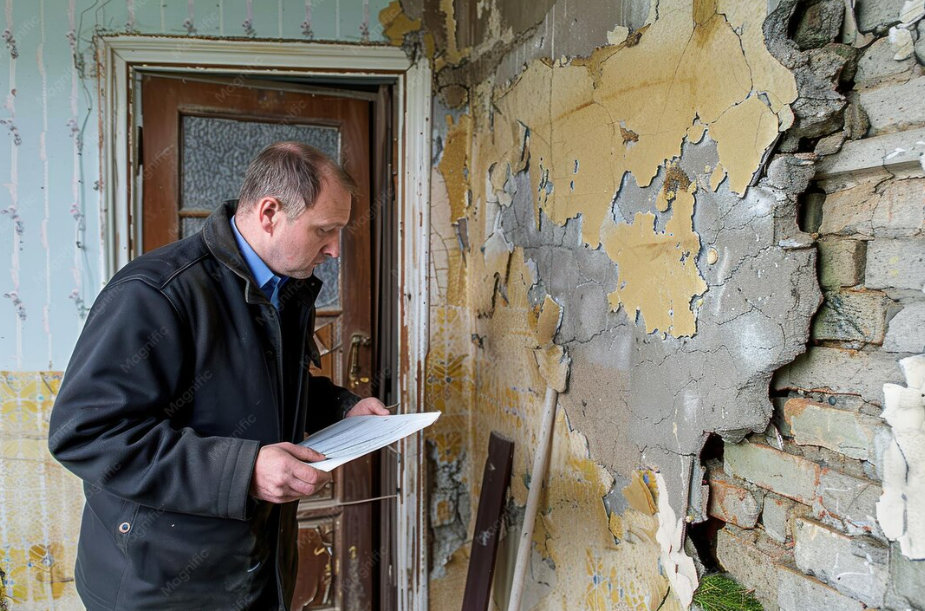
Signs of Subsidence in Your Home: What to Look For and What to Do
The most common signs of subsidence are diagonal cracks wider than 3mm, cracks that are wider at the top than the bottom, doors and windows that suddenly stick, and gaps opening between walls and ceilings. If you notice these, photograph and measure the cracks, contact your buildings insurer, and book a structural engineer before arranging any repair.
Finding a new crack in your wall is worrying, especially in London, where many homes sit on shrinkable clay. The good news is that most cracks are harmless. The key is knowing which ones are not. This guide explains what subsidence is, the warning signs, what causes it, and the exact steps to take if you think your property is affected.
Subsidence happens when the ground beneath your home sinks or moves away, taking part of the foundations with it. The building then loses support and starts to shift, which creates cracks and distortion in the structure above.
It is often confused with two other problems:
Subsidence is the one that needs professional attention, because it tends to progress if the cause is not dealt with.
Cracks tend to start at the corners of door and window frames, because these are the weakest points in a wall. Stair-step cracks following the mortar lines in brickwork are another classic sign.
Hairline cracks are usually cosmetic, caused by drying plaster or temperature changes. A crack wider than about 3mm, roughly the thickness of a pound coin, deserves investigation.
Subsidence cracks often taper, wider at the top and narrower at the bottom. This suggests part of the building is dropping.
If doors that used to close perfectly now jam or won’t latch, the frame may have shifted out of square.
Wallpaper that wrinkles or tears along a diagonal line, with no sign of damp, can indicate movement in the wall behind it.
Look for gaps where walls meet ceilings, skirting boards pulling away, or sloping floors.
Extensions often have shallower foundations than the original property. A visible gap or crack where the two meet is a common red flag.
Tip: Check both inside and outside. Cracks that appear on both sides of a wall, and that have grown over a few weeks, are more concerning than a single static crack.
Subsidence always comes back to the ground losing its ability to support the foundations. The most common causes are:
Don’t panic, and don’t rush into repairs. A calm, step-by-step approach protects both your home and your insurance claim.
Step 1: Record the evidence. Photograph every crack with a ruler beside it. Note the date and location. Mark the ends of each crack with a pencil and date it.
Step 2: Monitor for a few weeks. Measure the crack width regularly. A crack that is growing, or that opens and closes with the seasons, points to ongoing movement.
Step 3: Check the obvious causes. Look for blocked gutters, leaking pipes, damp patches, and large trees close to the house.
Step 4: Contact your buildings insurer. Most home insurance policies cover subsidence, though you will usually pay an excess. Inform them early and before you commission any repairs, as they may want to appoint their own investigators.
Step 5: Get a structural engineer’s report. An engineer can tell you whether you are dealing with subsidence, settlement, or something cosmetic. They will recommend monitoring, ground investigation, or a repair method.
Step 6: Only then choose a repair contractor. The right fix depends entirely on the cause, so diagnosis must come first.
Not every case needs major work. Treatment depends on what is causing the movement.
Fix the cause. In many cases the problem stops once the cause is removed. That might mean repairing a leaking drain, managing a nearby tree under professional advice, or improving surface water drainage around the property.
Underpinning. If the foundations themselves are inadequate or the soil has lost strength, the foundations are extended deeper to reach stable ground. The main methods are:
Supporting structures. On sloping sites, ground movement can also affect garden walls and levels. Retaining wall companies may be needed to stabilise the ground once the main issue is resolved.
Cosmetic repairs last. Cracks should only be filled and redecorated after the cause is fixed and the structure has stopped moving. Repairing too early often means the cracks simply return.
You can’t control the weather, but you can reduce the risk:
If cracks are wider than 3mm, still growing, or appear alongside sticking doors and sloping floors, book a professional assessment without delay. Early action usually means simpler, cheaper repairs. For homeowners and developers across the capital, WJB Groundworks provides underpinning, drainage, piling and civil engineering services, so you can get the investigation and the repair from one experienced team.
Settlement cracks are usually thin, stable and found in newer buildings. Subsidence cracks are wider than 3mm, often diagonal, tend to taper, and keep growing. Only a structural engineer can confirm the cause.
Most buildings insurance policies cover subsidence, but you will normally pay an excess, and cover can be affected by how quickly you report it. Always contact your insurer before arranging repairs.
Yes. Properties with a history of subsidence can be sold, but buyers and lenders will want evidence that the cause was identified and fixed, such as an engineer’s report and repair guarantees.
Simple fixes like drain repairs may take days. Underpinning typically takes several weeks, depending on the extent of the work and ground conditions. Monitoring afterwards may continue for months.
No. Most hairline cracks are cosmetic. It is the width, shape, location and growth of a crack that matters, not just its presence.
Yes, particularly on clay soil. Roots absorb moisture, drying and shrinking the ground beneath foundations. However, removing a large tree without advice can also cause heave, so always get an expert opinion first.
Subsidence sounds frightening, but it is manageable when caught early. Watch for diagonal cracks, sticking doors and widening gaps, document what you see, and involve your insurer and an engineer before repairs. Acting quickly protects your home, your finances and your peace of mind.
Consult with our specialists and book an on-site inspection at your convenience. Contact us at 01784740573, or email us at info@wjbgroundworks.com for a bespoke quote. Visit our portfolio and explore the projects we have conducted successfully.